

ให้คำปรึกษาด้านผลิตภัณฑ์
ที่อยู่อีเมลของคุณจะไม่ถูกเผยแพร่ ช่องที่ต้องกรอกถูกทำเครื่องหมายไว้ *
มาจากประเทศจีน การตลาดสู่โลก
Modern industrial applications demand materials that transcend conventional performance boundaries. Functional composite materials represent the convergence of multiple engineering disciplines, combining substrates, adhesives, and surface coatings to achieve specific operational characteristics unattainable through single-material solutions. These advanced materials serve critical roles across marine environments, electronic assemblies, and heavy industrial operations where standard products fail to meet exacting requirements for durability, conductivity, insulation, or chemical resistance.
The evolution from basic adhesive products to sophisticated functional tapes reflects decades of materials science advancement. Early industrial tapes provided simple bonding or sealing functions. Contemporary functional tapes integrate conductive particles, thermal management properties, electromagnetic shielding capabilities, or extreme environmental resistance within precisely engineered multilayer structures. This transformation enables engineers to specify materials that actively contribute to product performance rather than serving merely as passive joining elements.
Functional composite materials derive their capabilities from strategic combinations of base substrates and functional coatings. The substrate layer provides mechanical integrity, dimensional stability, and fundamental physical properties such as tensile strength or flexibility. Common substrates include polyimide films for high-temperature applications, polyester for general industrial use, aluminum foils for thermal and electrical conductivity, and specialized non-woven fabrics for cushioning or filtration functions.
The functional layer transforms these base materials into application-specific solutions. Surface coatings incorporating silver, copper, or carbon particles create conductive pathways for electromagnetic interference shielding or static dissipation. Ceramic-filled coatings provide thermal conductivity for heat management in electronic assemblies. Fluoropolymer layers impart chemical resistance and low-friction surfaces for marine and industrial environments. The precise formulation of these coatings determines the material's performance characteristics and operational lifespan.
Adhesive systems in functional tapes require equally sophisticated engineering. Pressure-sensitive adhesives must maintain bonding integrity across temperature extremes while accommodating thermal expansion mismatches between dissimilar materials. Specialized formulations resist outgassing in vacuum environments, prevent galvanic corrosion when joining dissimilar metals, or maintain electrical conductivity across bonded interfaces. The selection of appropriate adhesive chemistry proves as critical as the functional coating itself.
Production of functional composite materials demands precision coating and laminating equipment capable of maintaining tight thickness tolerances and uniform coating distribution. Web-based manufacturing processes apply functional coatings to continuous rolls of substrate material, with inline monitoring systems verifying coating weight, adhesion strength, and electrical or thermal properties. Cleanroom environments prevent contamination of sensitive electronic-grade materials, while climate-controlled storage maintains product stability prior to shipment.
Quality assurance protocols for functional tapes extend beyond conventional dimensional and visual inspections. Electrical conductivity testing verifies shielding effectiveness across frequency ranges. Thermal cycling evaluates adhesive performance under operational temperature extremes. Accelerated aging tests predict long-term stability in harsh environments. These validation procedures ensure that functional composite materials perform reliably throughout their specified service life.
Marine environments present unique challenges for functional materials. Constant saltwater exposure, ultraviolet radiation, extreme temperature fluctuations, and biological fouling rapidly degrade conventional products. Functional composite materials engineered for marine applications incorporate specialized barrier layers that prevent moisture ingress and resist hydrolytic degradation of adhesive systems.
Anti-corrosion functional tapes protect critical metal interfaces on vessels and offshore structures. These products combine moisture-resistant backings with sacrificial corrosion inhibitors in the adhesive layer. When applied to welded joints, fasteners, or structural connections, they create sealed environments that exclude oxygen and electrolytes from contact with steel or aluminum substrates. This passive protection system extends maintenance intervals and prevents structural degradation in inaccessible locations.
Underwater applications require functional composite materials with exceptional pressure resistance and long-term immersion stability. Pressure-sensitive adhesives formulated for subsea use maintain bonding strength at depths where hydrostatic pressure exceeds atmospheric conditions by orders of magnitude. ROV tethers, submarine hull sealing systems, and offshore pipeline protection all utilize specialized functional tapes designed for permanent underwater service.
Functional composite materials serve protective and aesthetic functions on marine vessel surfaces. Abrasion-resistant films applied to hulls and decks prevent damage from dock contact, cargo handling, and foot traffic. These products combine tough polymer backings with UV-stable coatings that maintain appearance despite constant sun exposure. The pressure-sensitive application allows field repairs without dry-docking requirements, reducing maintenance costs and operational downtime.
Non-skid functional tapes enhance safety on wet deck surfaces. Aluminum oxide or silicon carbide particles embedded in the coating layer create friction coefficients that prevent slipping even when surfaces are contaminated with oil, fish processing byproducts, or ice. These safety-critical applications demand durable bonding systems that maintain adhesion despite thermal cycling and mechanical flexing of underlying deck structures.
The electronics industry represents a primary demand driver for advanced functional tapes. Miniaturization trends and increasing power densities create thermal management challenges that conventional materials cannot address. Thermally conductive functional composite materials transfer heat from components to heat sinks or chassis surfaces, maintaining operating temperatures within safe limits without mechanical fasteners that complicate assembly or repair.
Electromagnetic interference shielding has become critical as device operating frequencies increase and regulatory requirements tighten. Conductive functional tapes create grounded enclosures around sensitive circuits, preventing both emission of interfering signals and susceptibility to external noise. These products combine conductive fabric or foil layers with pressure-sensitive conductive adhesives that maintain electrical continuity across panel seams and access openings.
Electrical insulation functional composite materials isolate high-voltage components while withstanding the thermal and mechanical stresses of electronic assembly processes. Polyimide films with silicone adhesives maintain dielectric strength at temperatures exceeding 200°C, enabling use in reflow soldering operations and high-temperature operational environments. These materials prevent short circuits and arcing while occupying minimal space in densely packed electronic assemblies.
Modern display technologies rely on functional tapes for optical bonding and structural assembly. Optically clear adhesives eliminate air gaps between display layers, improving brightness and contrast while preventing condensation and contamination. These functional composite materials must maintain clarity and adhesion despite thermal expansion differences between glass, plastic, and metal components in the display stack.
Battery manufacturing utilizes functional composite materials for cell-to-cell bonding, thermal management, and electrical isolation. Flame-retardant pressure-sensitive adhesives bond battery cells to module structures while preventing thermal runaway propagation. Dielectric films isolate high-voltage terminals, and thermal interface materials conduct heat to cooling systems. These applications demand materials that meet stringent safety standards while enabling automated high-speed assembly processes.
Industrial equipment manufacturers specify functional composite materials for applications ranging from vibration damping to chemical containment. Heavy machinery utilizes damping tapes that convert vibrational energy to heat, reducing noise and preventing fatigue failure of structural components. These viscoelastic functional tapes apply between metal panels or structural members, dissipating energy that would otherwise transmit through the equipment frame.
Chemical processing industries require functional composite materials with exceptional resistance to aggressive media. Fluoropolymer-based tapes seal flanges and vessel openings against acids, bases, and organic solvents that destroy conventional elastomers. The chemical inertness of these materials enables long-term sealing performance in environments where frequent gasket replacement would require costly process shutdowns.
Aerospace applications demand functional tapes that meet rigorous outgassing, flammability, and weight requirements. Specialty formulations provide pressure sealing, thermal insulation, or electrical functions while contributing minimal mass to flight vehicles. These materials undergo extensive qualification testing to verify performance across the temperature and pressure ranges encountered in atmospheric and space flight.
| Industry | Application | Key Material Properties | Functional Requirement |
| Marine | Hull sealing | Saltwater resistance | Corrosion prevention |
| Electronics | EMI shielding | Electrical conductivity | Signal isolation |
| Industrial | Vibration damping | Viscoelastic properties | Energy dissipation |
| Aerospace | Thermal insulation | Low outgassing | Temperature management |
| Automotive | Battery assembly | Flame retardancy | Safety compliance |
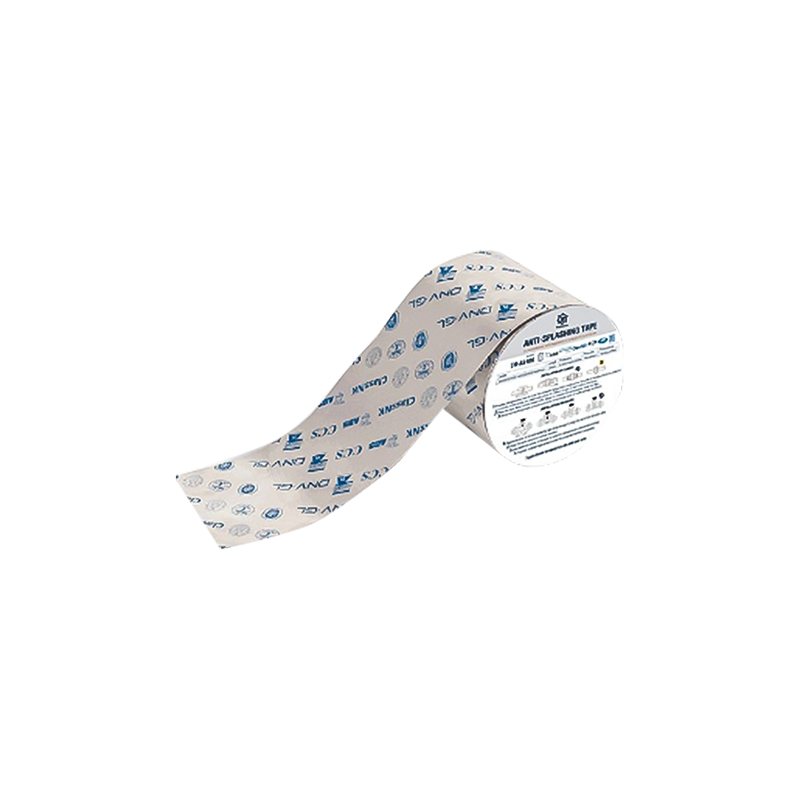
Standard product lines address common application requirements, but many industrial challenges demand customized functional composite materials. Collaborative development processes engage customer engineering teams with materials scientists to define performance specifications, environmental conditions, and manufacturing constraints that guide formulation development. This partnership approach ensures that resulting products integrate seamlessly into customer manufacturing processes while meeting all functional requirements.
Prototyping capabilities enable rapid evaluation of material concepts before committing to full production. Small-scale coating trials produce sample rolls for customer testing in actual application environments. Feedback from these trials refines coating formulations, adhesive systems, or substrate specifications to optimize performance. This iterative development process reduces time-to-market for new products while minimizing risk associated with material changes.
Manufacturing flexibility accommodates custom requirements for width, length, and packaging of functional tapes. Slitting operations produce narrow tapes for precision electronic assembly or wide formats for industrial lamination processes. Specialized release liners facilitate automated application equipment, and custom labeling ensures proper material identification throughout customer supply chains. These value-added services transform basic material supply into integrated solutions that enhance customer operational efficiency.
Collaboration with university research programs and scientific institutions accelerates innovation in functional composite materials. These partnerships access fundamental research in polymer chemistry, nanomaterials, and surface science that informs next-generation product development. Joint research projects investigate emerging technologies such as graphene-enhanced thermal conductivity, self-healing polymers, or responsive materials that adapt to environmental conditions.
The integration of advanced manufacturing capabilities with collaborative research relationships positions specialty materials suppliers to address evolving industrial challenges. As marine, electronic, and industrial applications continue demanding higher performance from functional tapes and composite materials, ongoing innovation in coating technologies, substrate development, and adhesive formulations ensures that engineered solutions remain available to meet these requirements. Custom functional film materials represent not merely products but partnerships that enable customer success in demanding technical environments.
ที่อยู่อีเมลของคุณจะไม่ถูกเผยแพร่ ช่องที่ต้องกรอกถูกทำเครื่องหมายไว้ *
